Post Construction Cleaning Study Guide | EcoClear Solutions
Post Construction Cleaning Study Guide is your complete training style breakdown of what post construction cleaning is, how the work is organized, and what a professional crew like EcoClear Solutions should do to deliver an inspection ready finish. If you have ever walked a brand new unit and noticed haze on the floors, dust on the baseboards, or sticker residue on glass, you already know why this matters. A good post construction clean is not just cleaning. It is the final step that makes a property feel finished.
This guide covers the three phases, the correct workflow, fine dust control, window detailing, sanitizing, scrubbing, debris removal, job site requirements, equipment basics, and two checklists you can use before and after the job.
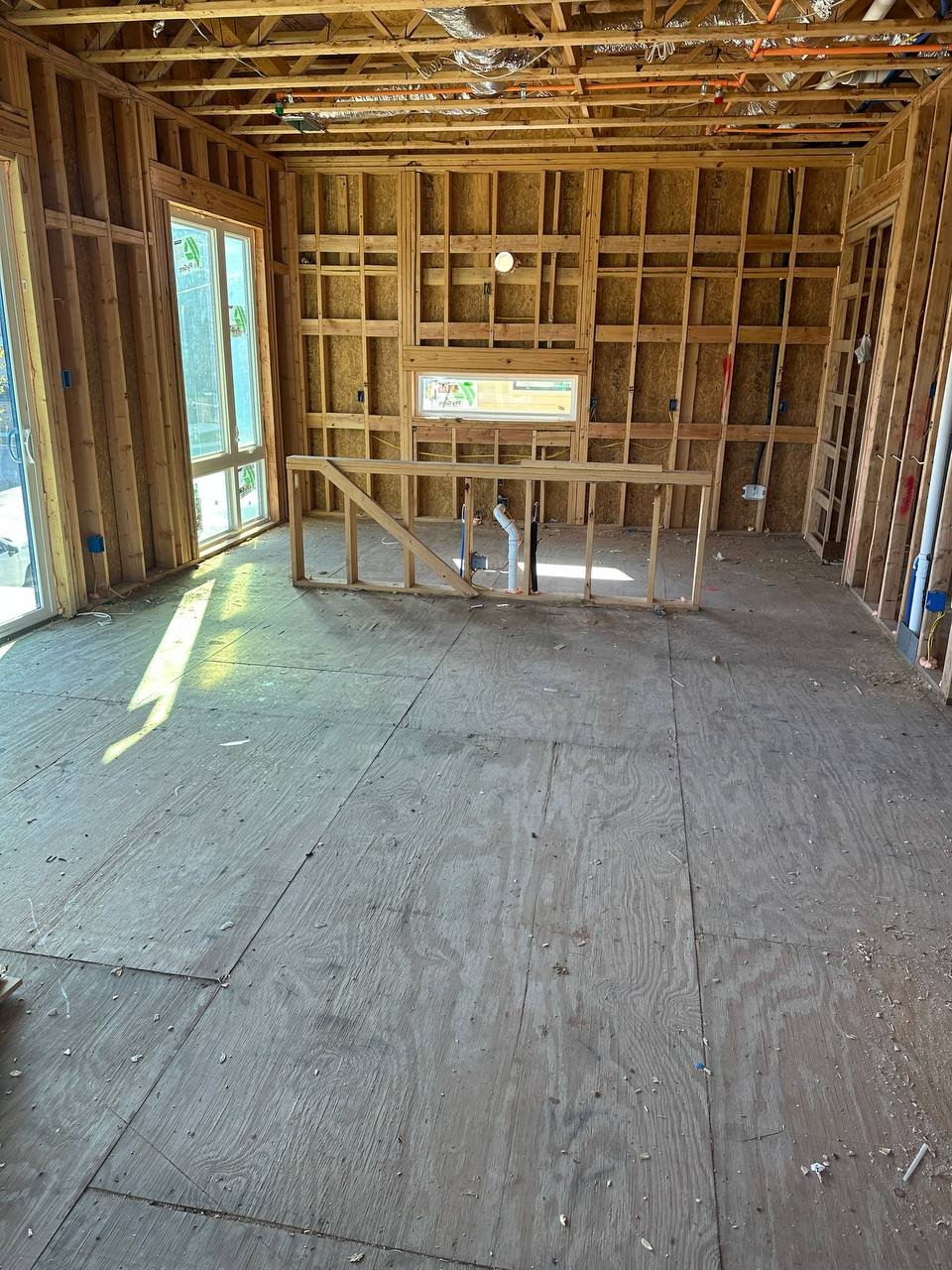
Post construction cleaning is the professional process of removing dust, debris, residue, and safety hazards after construction or renovation work is completed.
It prepares a space for final inspection, occupancy, or turnover by ensuring all surfaces are clean, safe, and presentable.
Core components include:
Rough clean, light clean, and final clean phases
Fine dust removal and detailed surface cleaning
Window detailing and protection removal
Sanitizing, scrubbing, and debris removal
Final inspection readiness and punch list support
Quick Q&A
Q: What are the three phases of post construction cleaning
A: Rough clean, light clean, and final clean.
Evidence: Rough clean removes bulk debris, light clean reduces buildup, and final clean delivers inspection level detail.
Q: When should you do fine dust removal
A: During final clean, using HEPA filtration and microfiber wiping in a top down order.
Evidence: Fine dust becomes airborne and re settles if cleaned out of order.
Q: What does broom clean mean
A: Floors are swept but detailed cleaning is not completed.
Evidence: Broom clean is a baseline standard, not inspection ready.
Q: Why do final cleans fail inspections
A: Most failures come from missed fine dust, cloudy glass, dirty tracks, and unfinished floor edges.
Evidence: These are high visibility areas inspectors notice first.
Post construction cleaning is a specialized cleaning service performed after construction or renovation to remove debris, dust, and leftover residues from building work. It is not the same as routine janitorial cleaning because construction dust behaves differently. It spreads into corners, settles repeatedly, and can reappear after the first pass if you do not follow the right sequence.
Micro summary: Post construction cleaning is structured, detail heavy, and designed to produce an inspection ready finish.
Answer Capsule
Post construction cleaning prepares a space for turnover by removing fine dust, residue, and hazards from top to bottom, including floors, fixtures, glass, and high touch areas.
The Three Phases of Post Construction Cleaning
Professional post construction cleanup is typically completed in three phases. Each phase has a purpose and skipping the order is one of the fastest ways to create rework.
Micro summary: Rough clean removes the big stuff, light clean stabilizes dust and smudges, final clean delivers inspection level detail.
Rough Clean Phase
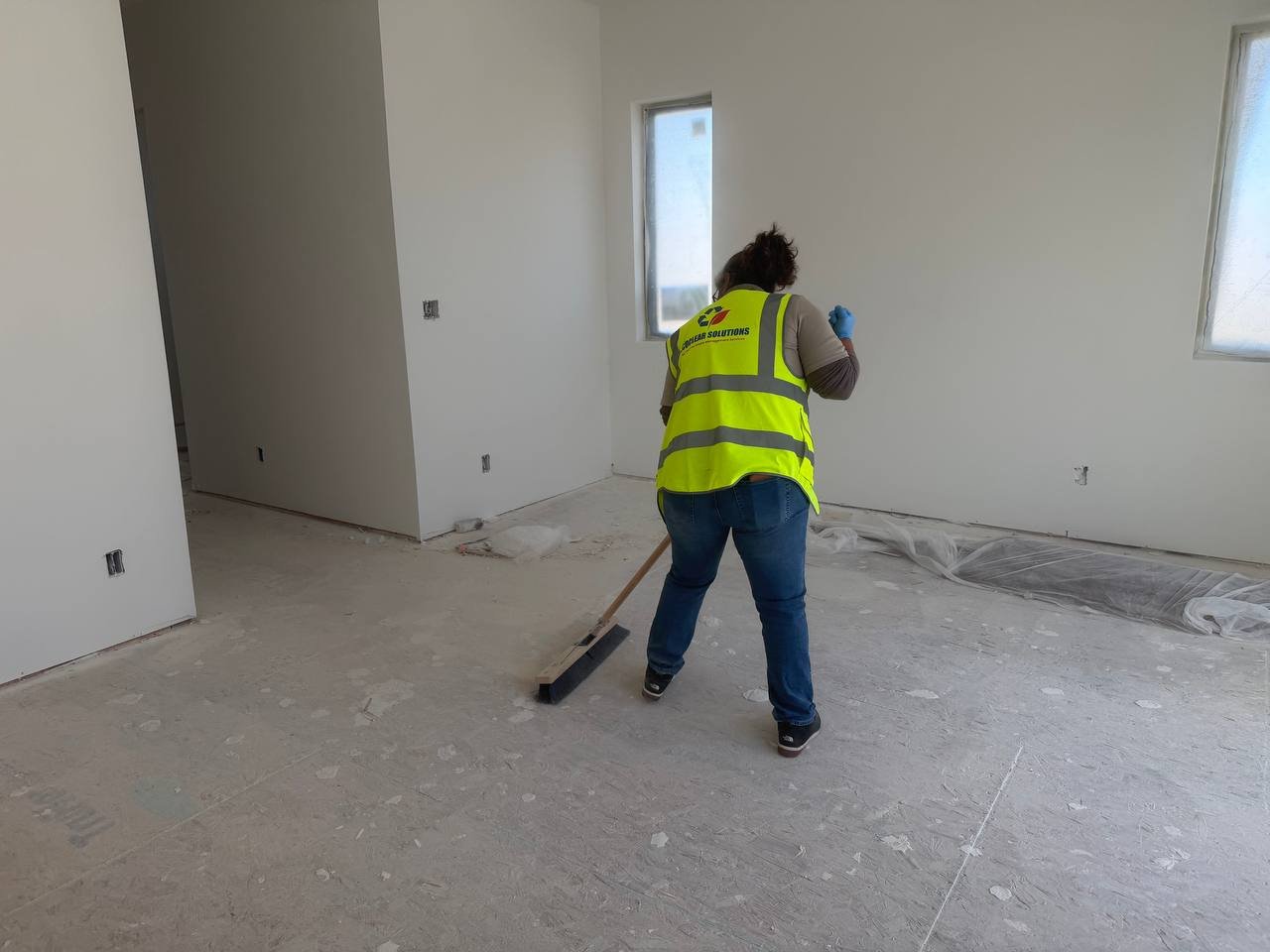
Rough clean happens after major construction work is complete but while some trades may still be finishing. The goal is to remove bulk debris and create a safe, workable environment.
Typical rough clean tasks include:
Picking up construction trash and loose debris
Sweeping and vacuuming heavy dust on floors
Wiping obvious residue from main surfaces
Clearing pathways and staging areas
Rough clean is not about perfection. It is about control, safety, and setting the stage for the next phase.
Light Clean Phase
Light clean bridges the gap between rough clean and final clean. This is where you start reducing the haze that settles on surfaces and you begin wiping down finishes without chasing every last detail.
Common light clean tasks include:
Wiping cabinets, trim, doors, and fixtures
Removing fingerprints and smudges
Additional dust removal on ledges and horizontals
Basic window cleaning without full detailing
Light clean makes final clean faster because it reduces buildup before the last presentation pass.
Final Clean Phase
Final clean is the inspection ready phase. This is where you do detailed work, control fine dust, and bring the space to a move in level finish.
Final clean typically includes:
Fine dust removal from every surface
Detailed window and glass cleaning
Floor scrubbing and edge cleaning
Sanitizing kitchens and restrooms
Final touch ups and presentation checks
Nationally, costs scale with complexity. A clear walkthrough and scope review prevent surprises.
Fine Dust Removal
Fine dust is the most challenging part of post construction work because it spreads everywhere and becomes airborne easily. The biggest mistake crews make is cleaning floors first and then dusting above. That just resets the job.
Micro summary: Fine dust control requires HEPA filtration, microfiber wiping, and a top down sequence.
Best practices for fine dust removal:
Use HEPA filtered vacuums for floors and edges
Wipe with microfiber instead of dry rags that push dust around
Clean top to bottom, then finish with floors last
Make more than one pass on high dust areas like trim, sills, and ledges
Answer Capsule
Fine dust removal is successful when you reduce airborne dust, wipe surfaces in order, and finish floors only after the upper dust is controlled.
Window Detailing and Protection Removal
Windows are one of the most visible inspection points. Even a clean unit can feel unfinished if the glass is cloudy or the tracks are dirty.
Micro summary: Window detailing is usually a final clean task and includes glass, frames, tracks, sills, and residue removal.
Window detailing commonly includes:
Removing stickers and adhesive residue
Cleaning glass inside and outside when accessible
Wiping frames, tracks, and sills
Removing protective films when approved
Protection removal should be handled carefully because rushing can scratch glass or damage finishes.
Sanitizing, Scrubbing, and Specialty Cleaning
Post construction cleaning is not only dust removal. Many spaces also need sanitation, scrub work, and surface restoration to look finished.
Micro summary: Sanitizing and scrubbing move the project from clean to truly ready for use.
Common tasks in this category:
Sanitizing restrooms and kitchen surfaces
Scrubbing tile, vinyl, and sealed concrete floors
Spot cleaning paint drips and caulk residue
Degreasing touch points and fixtures when needed
When done correctly, this phase reduces odors, improves presentation, and prevents call backs.
Debris Removal and Disposal
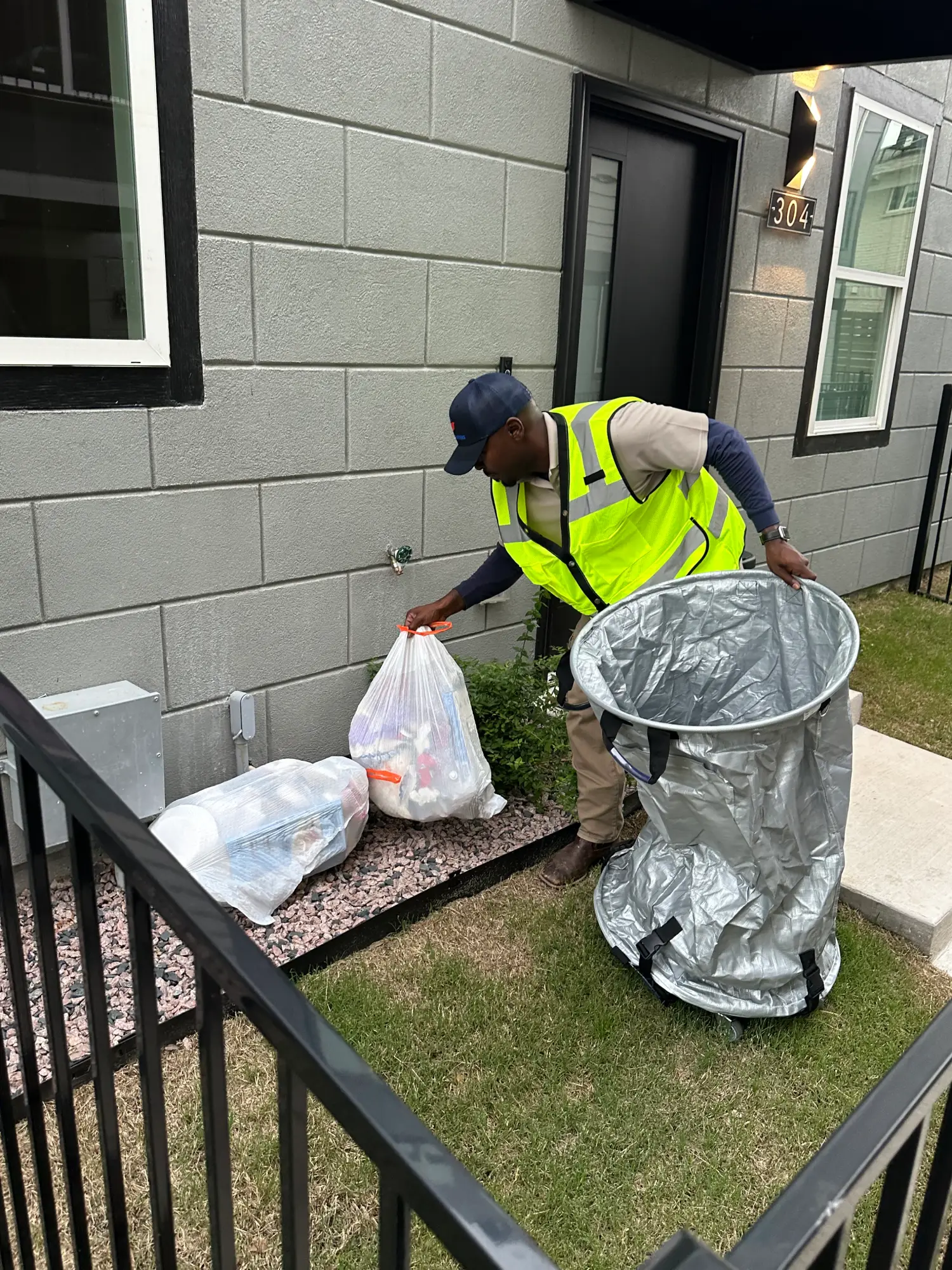
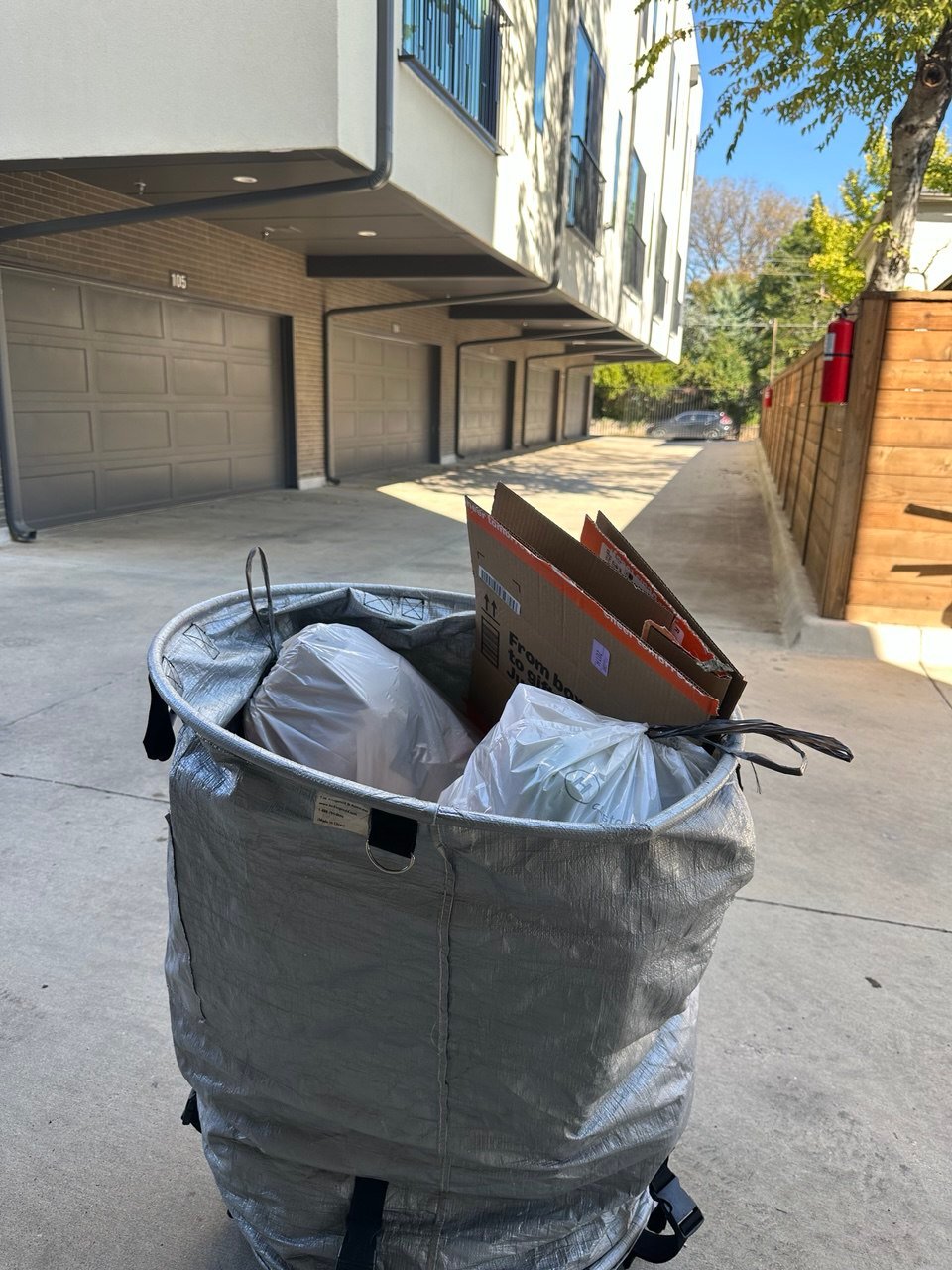
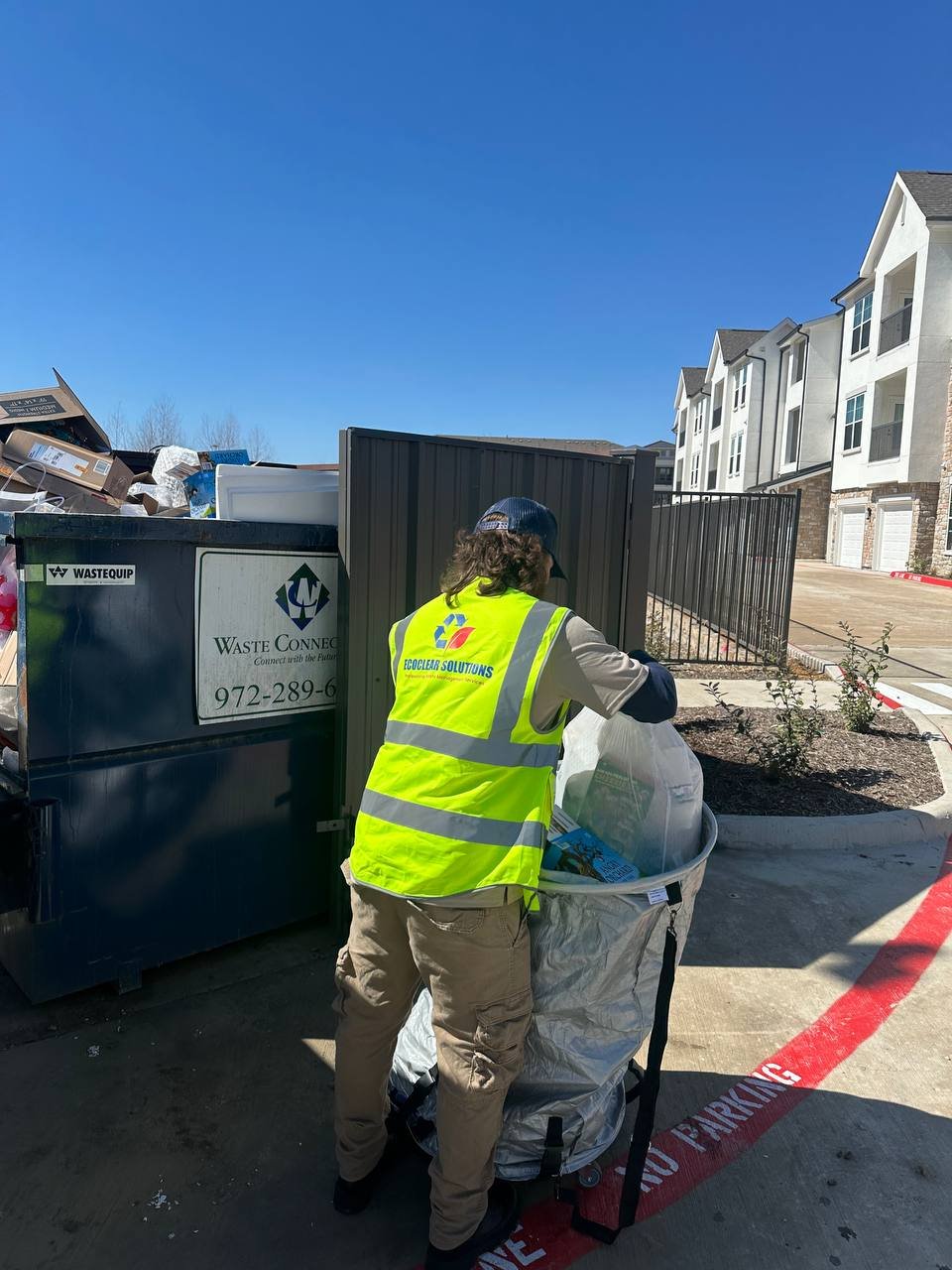
Debris removal is often the first physical step on a job site. Even when contractors have cleaned up, you will still find leftover packaging, tape, plastic, and small scraps that affect safety and appearance.
Micro summary: Debris removal clears hazards, improves workflow, and prevents dust from re spreading.
Common debris examples:
Drywall scraps and trim pieces
Packaging materials and plastic sheeting
Tape, labels, and protective coverings
Light construction waste in corners and closets
Always follow site rules and disposal requirements for where debris can be staged or removed.
Job Site Requirements and Best Practices
Even the best crew cannot produce a strong final result if the site is not ready. If construction is still actively generating dust, you will clean the same surfaces twice.
Micro summary: Site readiness protects your labor and improves inspection outcomes.
Key requirements that should be in place:
Utilities on, including water and power
Adequate lighting in all areas
Construction complete before final clean begins
Clear access to rooms, closets, and mechanical areas
Answer Capsule
Final clean should start only when the site has stopped producing dust and the team has full access with utilities and lighting.
Cleaning Procedures and Best Practices
Post construction cleaning is not about speed. It is about sequence. Dust follows gravity, and if you clean out of order, you will redo the same work twice. The most effective crews follow a structured approach that controls where dust falls and finishes the space in the correct order.
Micro summary: Clean from top to bottom, move from clean areas to dirty areas, control dust, and finish floors last.
Top to Bottom Cleaning Method
Always start high and work your way down. Dust released from vents, ledges, cabinet tops, and door frames will fall. If floors are cleaned first, they will immediately be re contaminated.
A proper order looks like this:
Ceiling corners, vents, and high ledges
Cabinet tops, shelves, and horizontal surfaces
Door frames, trim, and baseboards
Glass, window tracks, and sills
Floors last, including edges and corners
Dust Control Techniques
Avoid dry sweeping whenever possible. Fine construction dust becomes airborne and settles again. Use HEPA vacuuming, microfiber cloths, and light damp wiping so dust sticks to the tool instead of floating.
Floors Last for a Reason
Once all upper surfaces are complete, vacuum floors and edges with HEPA filtration. Follow with mopping or scrubbing based on floor type. This locks in the final finish and prevents haze from returning.
Final Quality Pass
End with a slow walkthrough using strong lighting. Look at glass from an angle and check baseboards, tracks, and floor edges. This final check is what prevents failed inspections and call backs.
Typical Equipment Used on Post Construction Jobs
HEPA shop vacuum
Used to capture fine drywall and construction dust without re-circulating particles back into the air. Essential for final clean work.Backpack vacuum with HEPA filtration
Ideal for large units, hallways, and vertical surfaces where maneuverability matters.Microfiber cloths (multiple grades)
Used for dry dusting, damp wiping, and final detailing without scratching new finishes.Microfiber flat mop system
Allows controlled damp cleaning of floors to reduce airborne dust during final passes.Low-speed floor scrubber
Commonly used for vinyl, tile, sealed concrete, and garage floors to remove haze and construction residue.Auto scrubber (walk-behind)
Used in larger commercial spaces or common areas where efficiency and consistent floor results are required.Extension poles
Help reach vents, ceiling corners, light fixtures, and high ledges where dust settles.Detail scrapers and razor blades
Used carefully for removing paint drips, caulk residue, and stickers from glass and hard surfaces.Non-abrasive scrub pads
Used on fixtures, counters, and hard surfaces to remove residue without damaging finishes.Buckets with grit guards
Prevents debris from re-contaminating cloths and mops during wet cleaning.Neutral pH cleaners
Safe for new floors, cabinets, countertops, and fixtures without stripping finishes.Glass-specific cleaning solutions
Designed to remove construction haze, fingerprints, and adhesive residue without streaking.Handheld vacuums or detail vacs
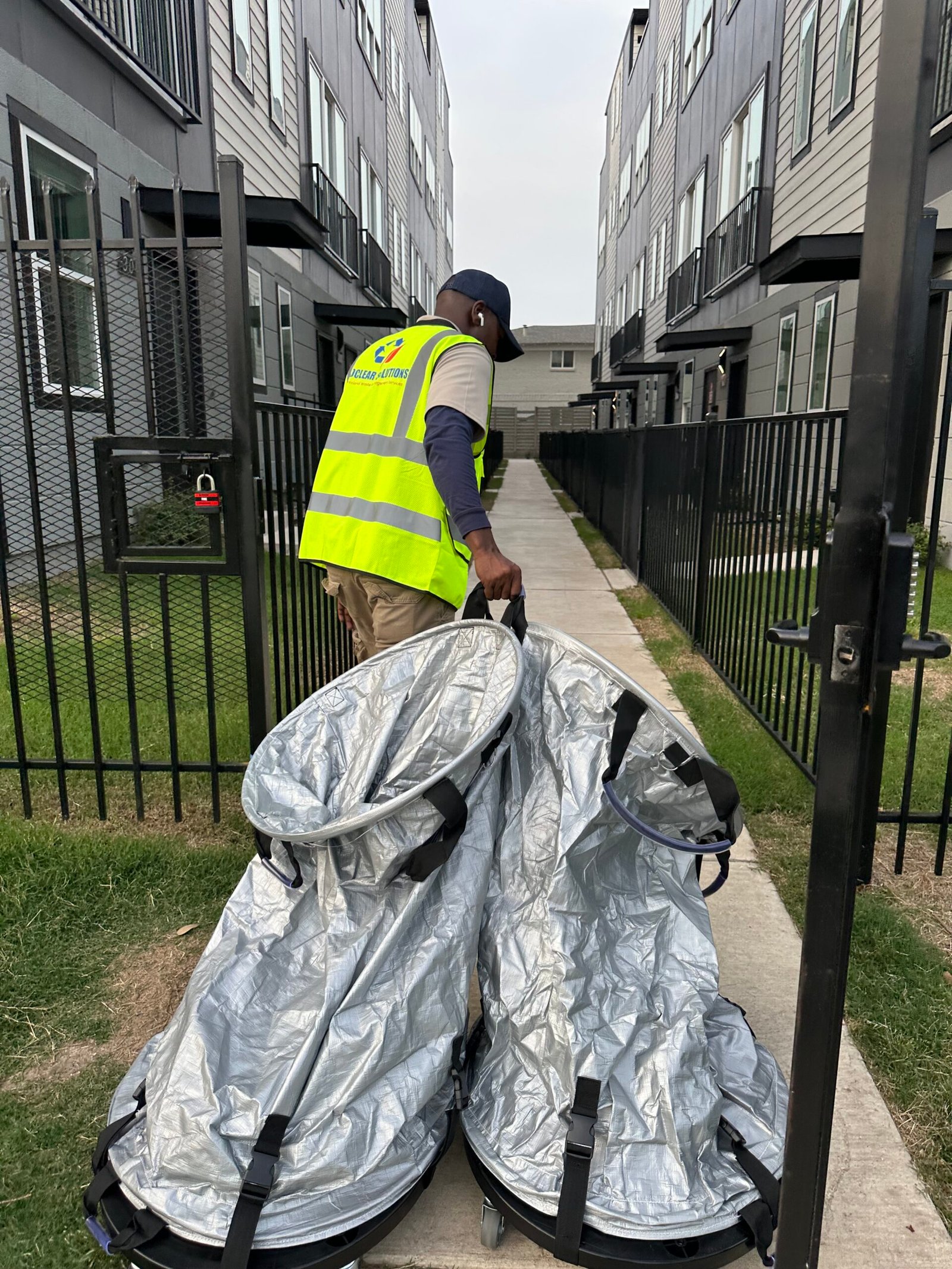
Useful for cabinets, drawers, closets, and tight areas where larger vacuums cannot reach.Trash carts or rolling bins
Used to safely move debris and trash without dragging bags across finished floors or walls.Personal protective equipment (PPE)
Gloves, dust masks or respirators, and eye protection to keep crews safe around fine dust.Step stools or small ladders
Needed for safe access to upper cabinets, windows, and high fixtures.
Post Construction Prep Checklist
This checklist is used before you begin so you do not waste time or miss requirements that cause a failed finish.
Micro summary: Prep checks prevent delays, access issues, and redo work.
Prep checklist:
Construction work completed in the areas being cleaned
Debris consolidated or cleared for safe movement
Power and water available
Access to all rooms, closets, and restrooms
Protection removal approved by the GC or site lead
Final Clean Completion Checklist
This checklist confirms that the space is ready for inspection or turnover. It is the last quality check.
Micro summary: Final checks confirm dust control, sanitation, glass quality, and floor finish.
Final checklist:
All surfaces are dust free including trim and ledges
Floors are vacuumed and scrubbed as needed
Glass is clear and residue free
Window tracks and sills are wiped
Restrooms and kitchens are sanitized
Trash removed and space presentation ready
Punch list touch ups addressed
Definitions and Job Site Terms
Understanding GC language helps you coordinate correctly and avoid scope confusion.
Micro summary: These terms are common in walkthroughs, inspections, and closeout conversations.
General Contractor
The party responsible for managing the overall project, trades, timeline, and final delivery.
GC
Short for general contractor.
Broom Clean
A basic level of cleanliness where floors are swept, but detailed cleaning is not completed.
Punch List
A list of final corrections that must be completed before project completion and turnover.
Final Inspection
The official review to confirm the project meets requirements and is ready for closeout or occupancy.
Protection Removal
Removing protective coverings used during construction to prevent damage to finishes.
| Natural Query | Structured Answer |
|---|---|
| What is post construction cleaning | A specialized cleaning process that removes dust, debris, and residue after construction to prepare for inspection or occupancy |
| What are the three phases | Rough clean, light clean, final clean |
| When should final cleaning happen | When construction is complete and the site has utilities, lighting, and full access |
| What does broom clean mean | Swept floors without full detailed cleaning |
| What is a punch list | Final correction items required before project completion |
Post Construction Cleaning Study Guide Quiz
| Topic | Key Takeaway |
|---|---|
| Post construction cleaning | Inspection ready cleaning after construction and renovation |
| Fine dust removal | HEPA plus microfiber and top down sequencing |
| Final clean | Detailed phase that includes glass, floors, and sanitation |
| Site readiness | Utilities, lighting, access, and construction completion required |
Post construction cleaning is a structured cleaning process performed after construction or renovation to remove dust, debris, and residue so a space is safe, presentable, and inspection ready. It is typically completed in three phases: rough clean to remove bulk debris, light clean to reduce dust and smudges, and final clean to deliver detailed fine dust removal, glass detailing, sanitation, and floor finishing. Strong results require site readiness, HEPA filtration, microfiber wiping, and a top down cleaning sequence.