1. Define Your Identity & USP
Start by picking your niche:
- Do you serve apartments, college housing, seniors’ residences, or HOAs?
- Will you include recycling, bulk pickup, or item violation reporting?
- This research will assist you in defining your brand. Select a memorable business name, create a memorable logo, and develop a Unique Selling Proposition, for example, “5‑night hassle‑free trash removal + includes recycling”. A strong brand identity simplifies marketing and contracts.
2. Write a Detailed Business Plan
A business plan helps you solidify strategy, qualify for financing, and track growth. Structure it like this.
- Executive Summary: Who you are & what you do
- Business Model: Cost per unit—usually $8–15/unit; residents typically pay $25–35/month.
- Market Analysis: Number of units in your area, competition
- Operations: Staffing, scheduling, equipment
- Marketing Strategy: Lead-generating strategy, online or in-person
- Financials: Startup costs, sales, breakeven
- Appendix: Contracts, research, list of equipment.
Plan financials for 3–5 years to demonstrate viability and attract potential investors.
3. Legally Establish Your Business
- Establish an LLC or corporate entity and file with the state/county.
- Obtain your Employer ID, federal, and local/state business licenses/permits. Additional waste-collection regulations may apply.
- Obtain appropriate insurances. Liability is the most important before your first contract.
4. Arrange Startup Funding
Startup costs are relatively low, typically $400–$2,500 (licenses, branding, marketing, and basic materials), so in terms of funding, you can:
- Use your savings
- Get a loan from an SBA, Prosper, LendingClub
- Use a line of credit (or small-town trades/barters)
Your plan would serve as a foundation for the loan applications if needed.
5. Get the Right Equipment & Operations Setup
Important things for starting:
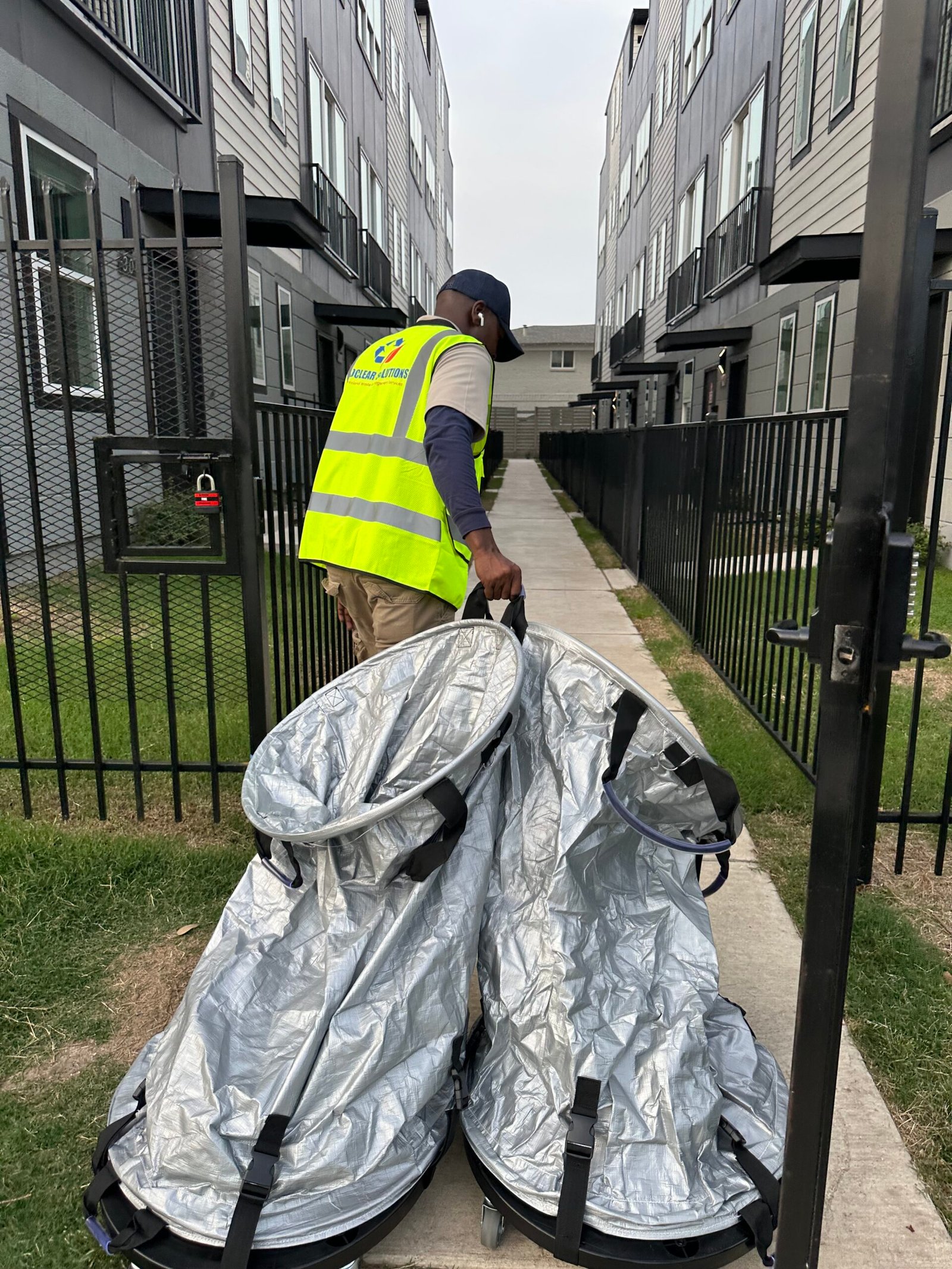
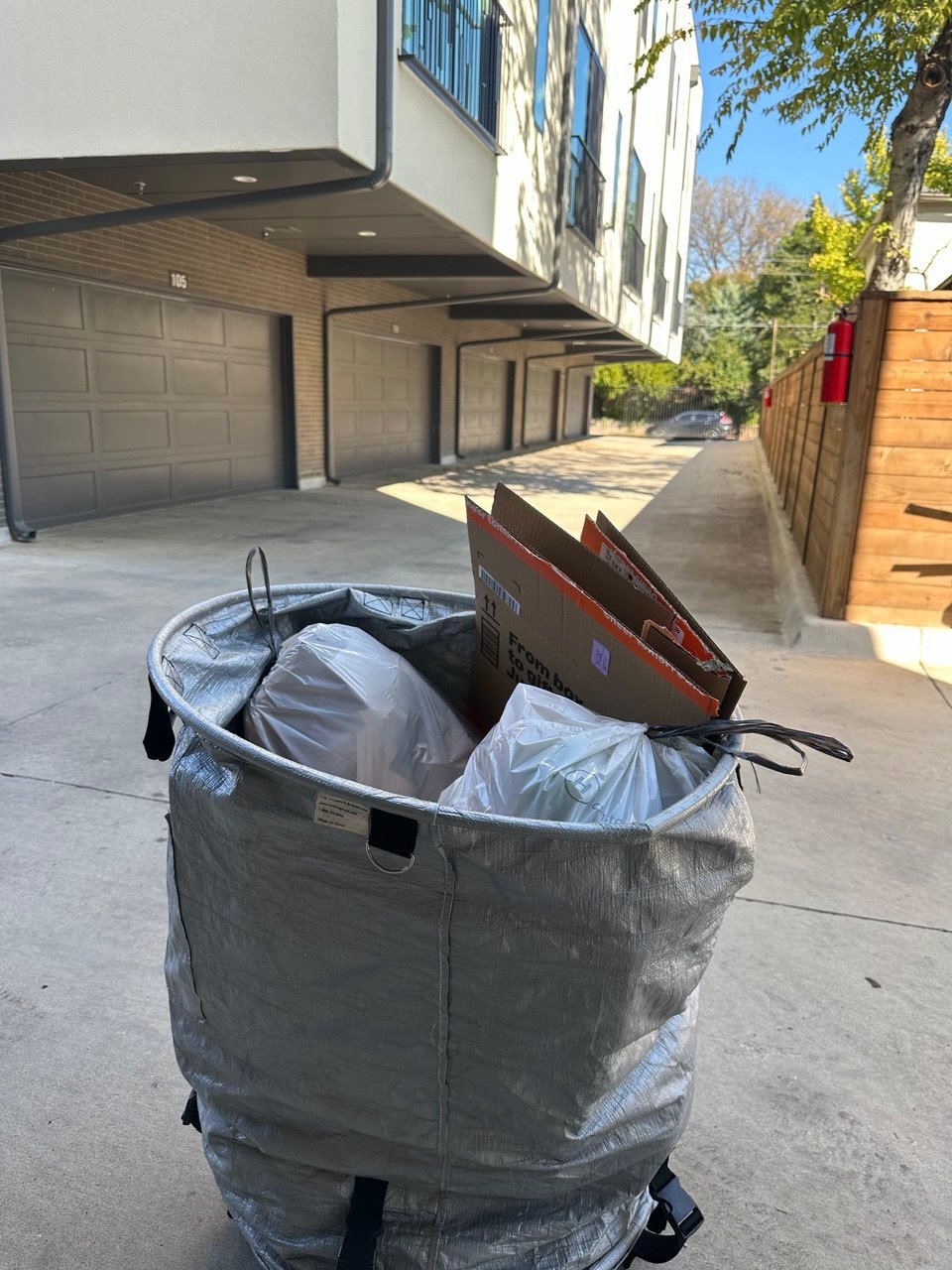
- Branded 13‑gal carts or bins for Staff
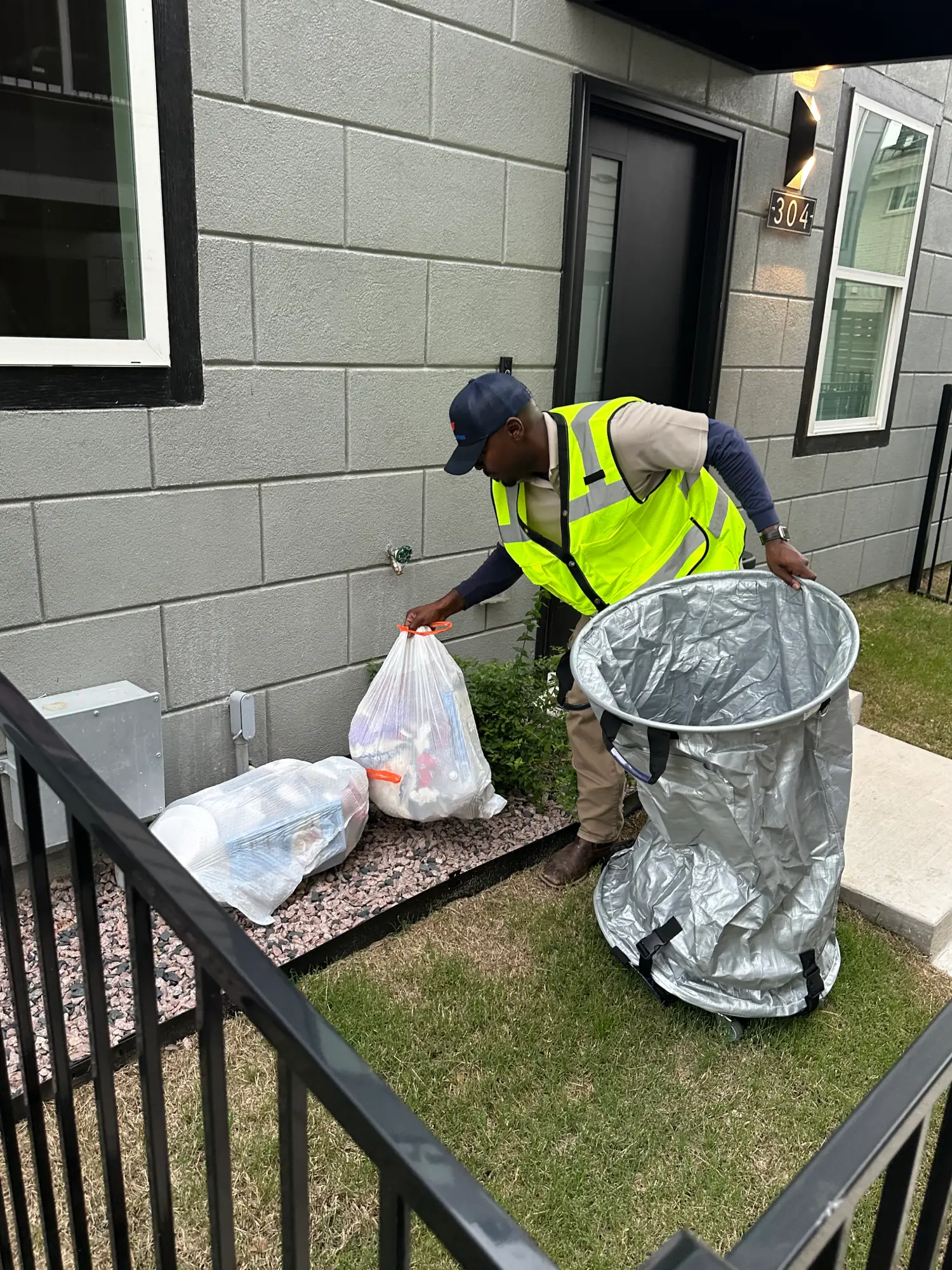
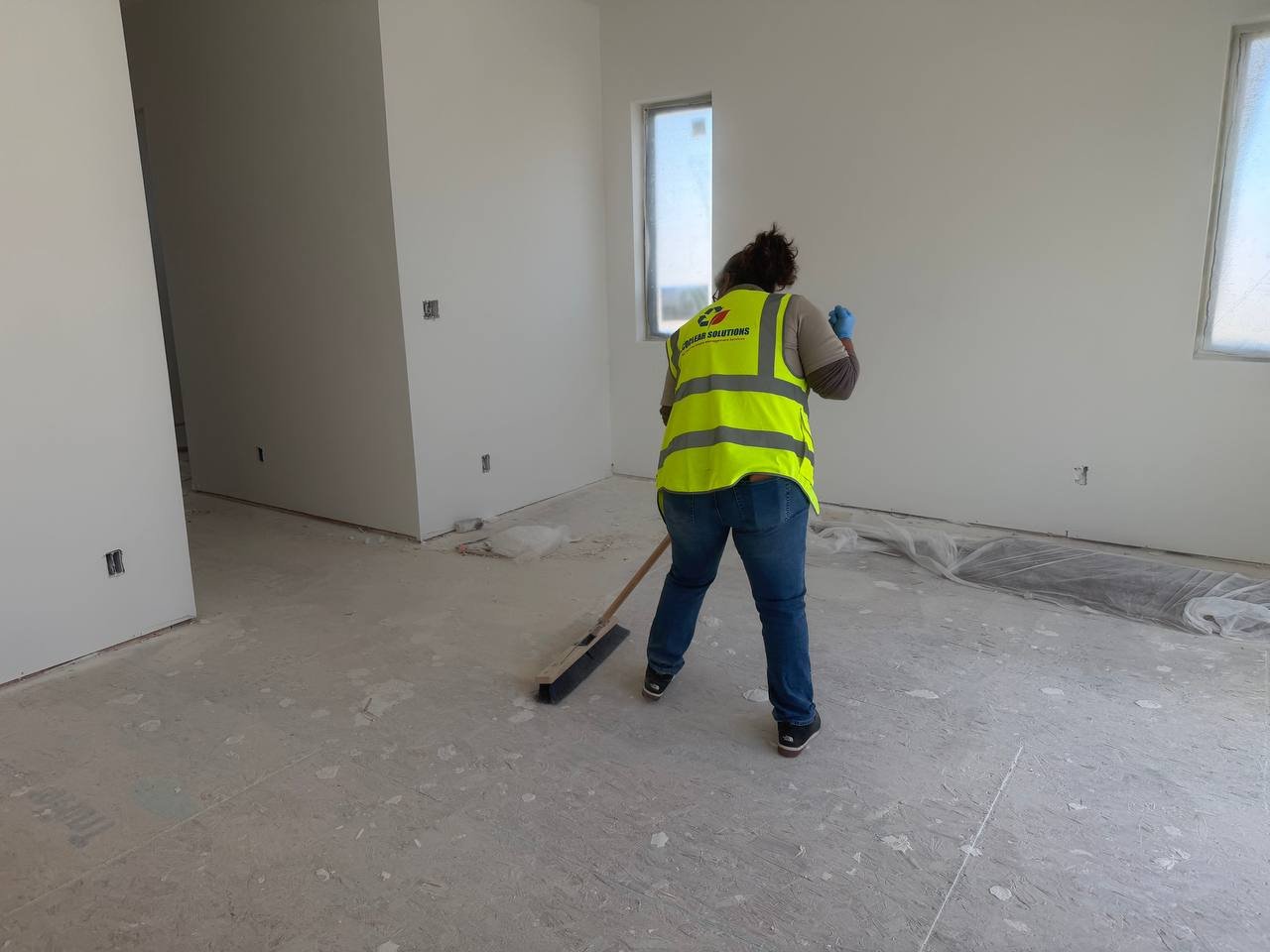
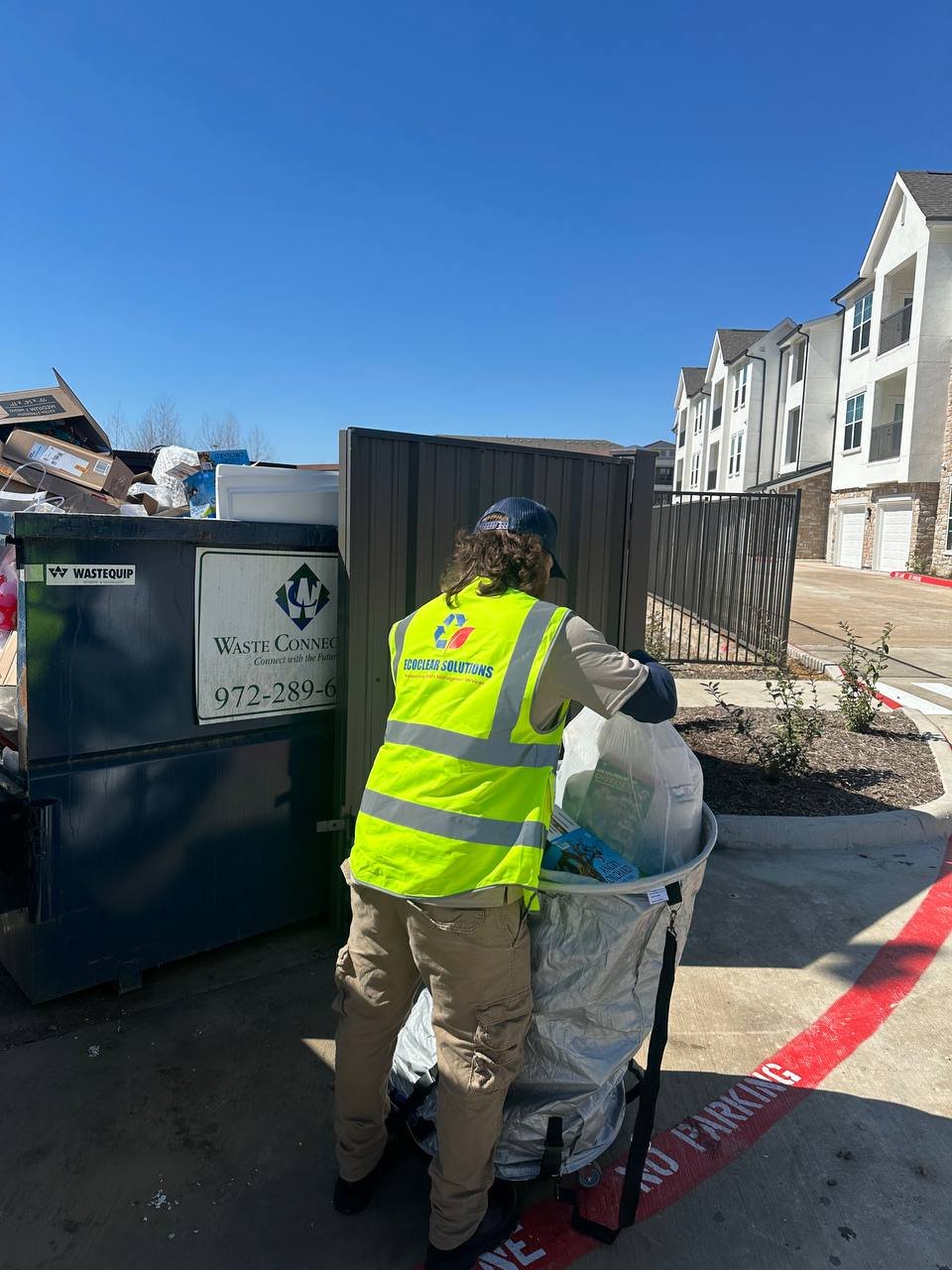
- Valet bags, grabbers, gloves, reflective vests
- Trailed cart or small vehicle for hauling loads.
- Website, business phone, email, business cards
- Scheduling platform or route‑optimization software like OptimoRoute.
Optional: Apps to track the location of your staff, photo proof, timestamps—this is provided by AWS franchising services.
6. Build Marketing Materials & Generate Leads
The first impression is enormous:
- Flyers/leave-behind sheets summing up your services
- Business cards with a great logo and contact details
- A simple website with FAQs, pricing tiers, and lead forms
- Lead Gen:
- Cold walk apartment HOA offices
- Search Yelp, Google Maps, Rent.com, ApartmentFinder for competitors and prospects.
- Online email/tax outreach campaigns in the city/area where you want to start working
Connect with property managers using LinkedIn and Facebook to reach out and connect with them.
7. Launch Your Service & Pilot a Property
Once you’ve signed a contract:
- Commence service 5 nights/week (Sun–Thu), pick up time between 6–8 pm. All service must be completed by midnight.
- Start service from the furthest unit in, file violations, litter breezeway.
- Make the property look neat and do morning reports for the property management.
- Make process changes after your initial pilot launch to eliminate bottlenecks.
8. Scale & Expand
After proving your service on the first property:
- Think about staffing or subcontractors + getting a company vehicle/truck
- Create repeatable systems – staff training manuals, schedules, compliance checklists
- Scale by signing more properties. As you grow, use route-optimization software
- Doupsell with services like bulk pickups, seasonal cleanup, recycling drives
💰 Why Valet Trash Works
- Guaranteed Income: Unit-based contracts = monthly revenue
- Low overhead: No large trucks or dangerous permits
- Very high demand: With about 40 million renters in the country, it is a massive market.
- Scalable: As you streamline your operations, you can easily add properties.
- Value-add for your clients: Managers like cleaner properties + extra passive income
Final Checklist for Launch